
.svg)
In a world obsessed with AI, automation, and endless digital content, it’s easy to forget that the most powerful marketing channel is still the most human one: live experiences.
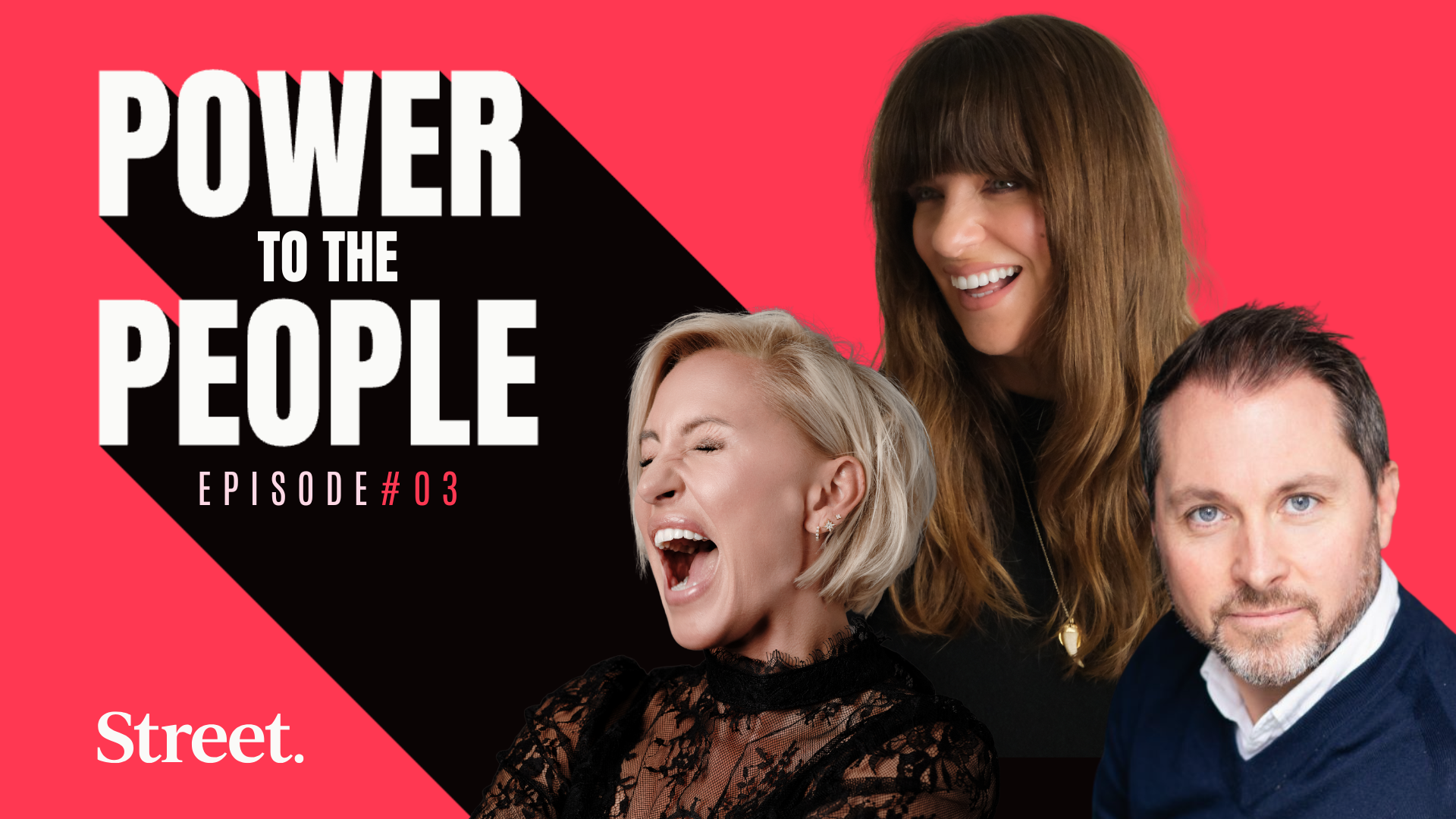
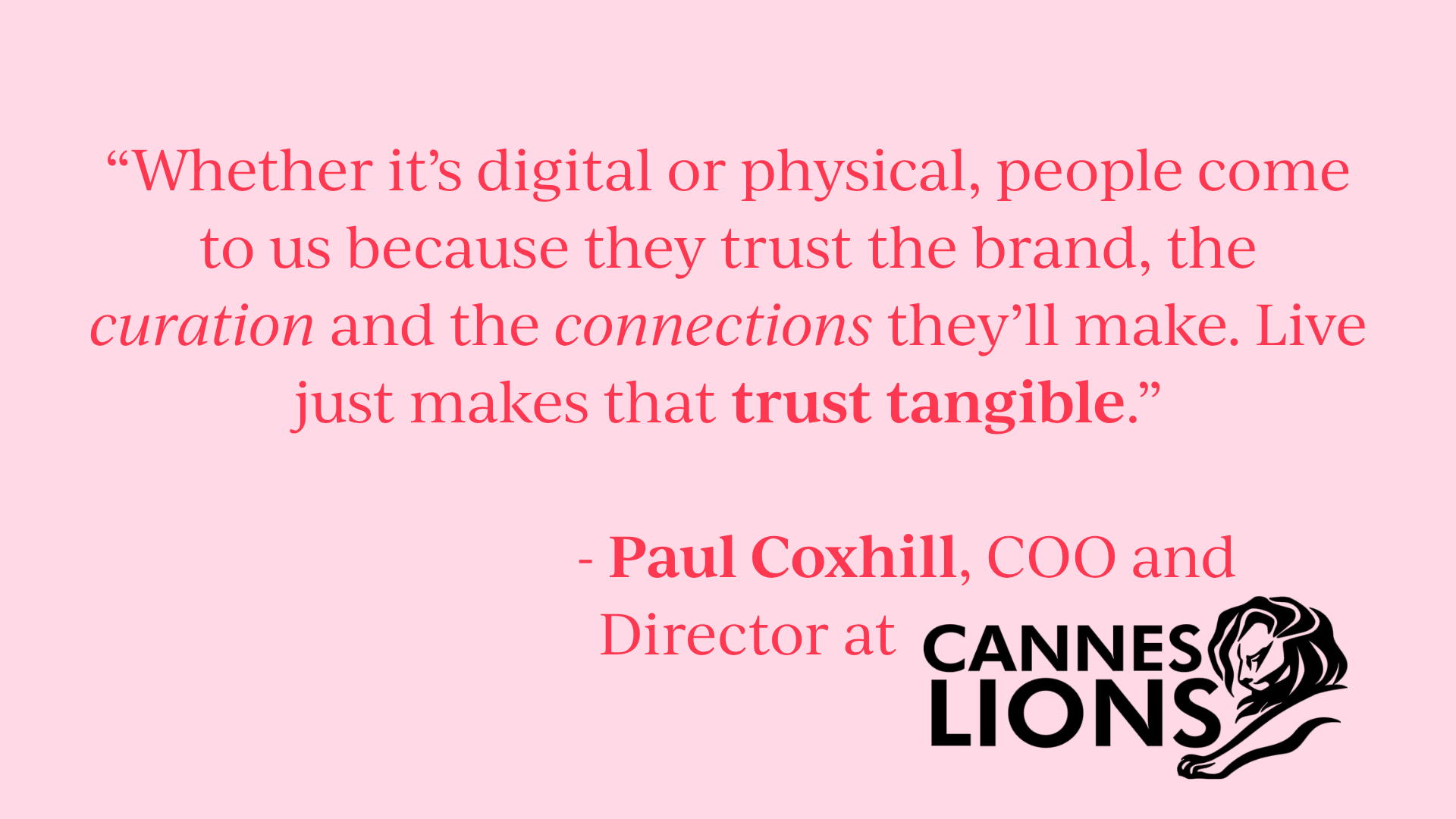
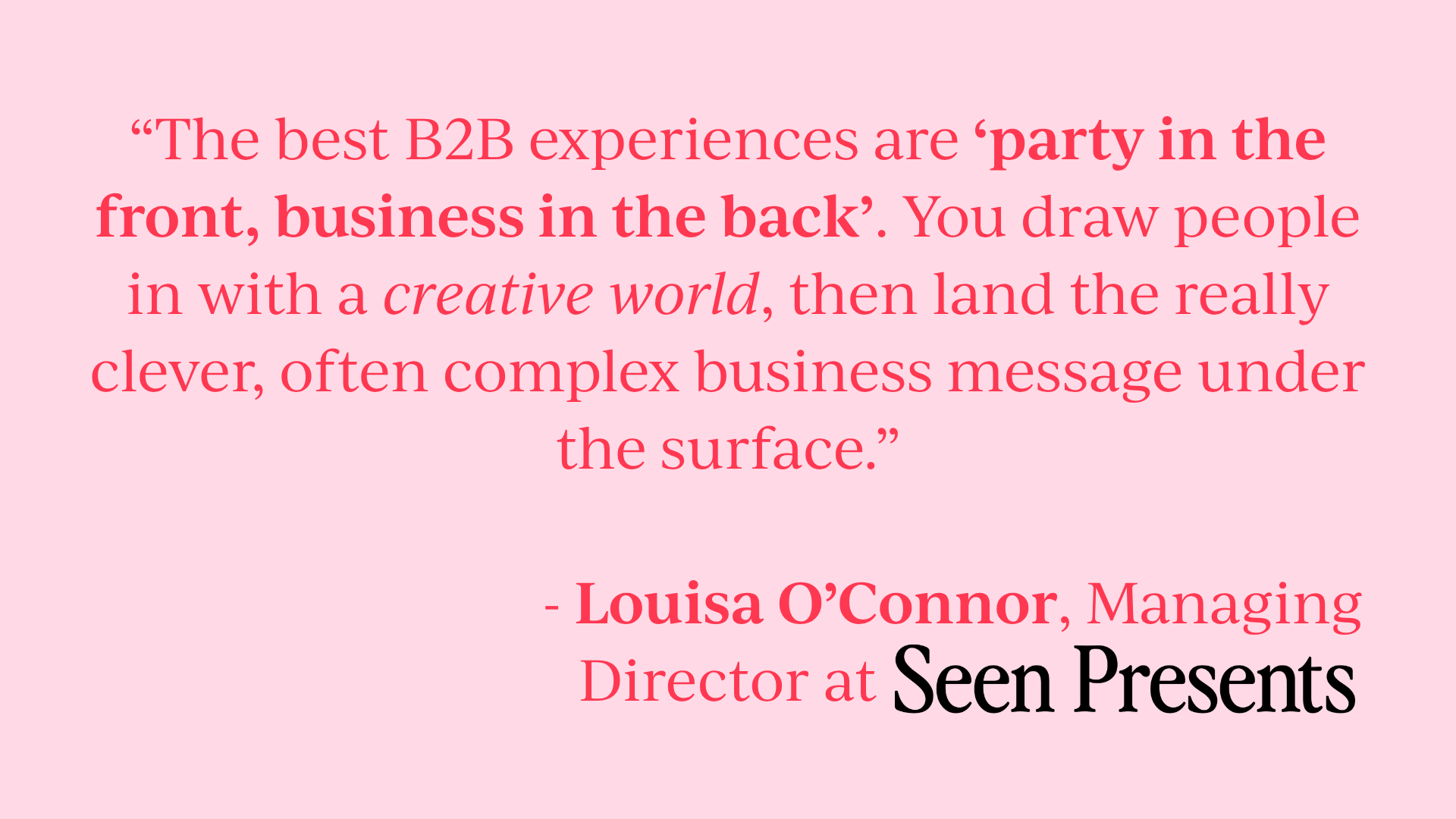
That was the focus of the latest Power to the People LinkedIn Live, where Katie Street was joined by Louisa O’Connor, Managing Director at Seen Presents - producing activations for Netflix and the New York Times at Cannes Lions, and Paul Coxhill, COO and President at LIONS - helping shape the strategic growth of one of the world's most iconic creative marketing institutions.
The session didn’t just make the case for “doing more events”. It dug into why live experiences are cutting through in a digital‑first world, how brands (especially in B2B) are rethinking the role of events in their marketing mix, and what it really takes to design experiences people remember - and that actually move the needle on pipeline, relationships and brand.
From festival‑style brand worlds on the Croisette to intimate, highly curated fringe events and C‑suite experiences, the conversation was ultimately about this: in a landscape where almost everything can be automated, the biggest opportunity sits with the one thing that can’t be faked - bringing people together in real life.
We’re in a strange moment.
On one side, there’s more content than ever. Most of us are scrolling, streaming and swiping through multiple feeds at once. A lot of what we see is AI‑assisted, if not fully generated.
On the other side, there’s a growing sense of distrust and fatigue:
Live experiences cut through that.
When someone walks into a well‑designed event, they’re not just another impression. They’re in a space you’ve created, with their full attention, surrounded by other humans. They can feel your brand, not just see it on a screen.
That shift, from passive consumption to active presence, is where the real value lies.
The most interesting movement is coming from brands you mostly meet through a device:
These are the brands putting serious money into beaches, pop‑ups and large‑scale activations at festivals and industry gatherings.
On paper, they could live entirely online. In practice, they’re choosing not to.
Because they’ve realised:
The play isn’t “have a stand”. It’s build a world.
Spaces where you immediately know whose universe you’ve stepped into, with the business narrative woven through every touchpoint.
Classic B2B events were built around information delivery:
They were optimised for content volume, not for connection.
What we’re seeing now is a quiet but important shift:
That might look like:
The content is still there. The difference is how people encounter it.
One of the most useful ways to think about attendees is to recognise that not every B2B audience is the same.
As Louisa put it, you’re always dealing with a mix of paddlers, swimmers and divers:
Paddlers
They skim the surface.
They might drop in for a keynote, attend a couple of meetings, then leave. They’re often senior, time‑poor, and very selective.
Swimmers
They spend more time in the experience.
They’ll explore, try a few sessions and activations, but they won’t say yes to everything.
Divers
They’re all‑in.
They’ll be the first to register, last to leave, and they’ll hit almost every touchpoint you’ve created.
The opportunity is to layer your event so each of them gets what they need:
Same event, different depths of engagement by design.
“Festivalisation” gets thrown around a lot, but underneath the buzzword is something useful.
It’s the move from:
“We’ve booked a venue and filled a schedule”
to
“We’re curating an ecosystem of experiences people will remember.”
That doesn’t mean every B2B event needs to turn into a full‑scale festival.
It does mean asking different questions:
The brands who get this right don’t just fill a room. They build something people want to come back to.
None of this sits in opposition to digital or AI. The most effective strategies are using them in all the right places - just not as the main event.
Digital is brilliant for:
AI is powerful for:
But the core value of the event – the thinking, the curation, the feeling in the room – still needs to be human.
That’s the bit people notice.
And it’s the bit they can’t get from another generic webinar or AI‑written post.
When you zoom out, the commercial case for events is getting stronger, not weaker.
In‑person experiences consistently show up as:
Even at relatively small, tightly curated B2B events, it’s common to see a significant percentage of the room convert into meetings or active opportunities.
The difference isn’t just the event itself. It’s how intentionally you treat it as part of a journey:
When you get that right, events stop being a cost centre and start behaving like a growth channel.


.jpg)